Amorino: Angelic Gelato

A8908ED1-AE76-4D29-864E-5BF971370920

I had just bitten into my street-vendor Nutella crêpe near Notre Dame Cathedral when I met Walid. His first impression was that of a grown woman licking chocolate hazelnut goop from her fingertips.

Walid was the brother of a friend of an artist I had met wandering along the Seine; a multilingual architect from Damascus; and a divorced father with, according to him, fourteen girlfriends. On this particular afternoon he was also my volunteer tour guide.

Our extended promenade through the 5th Arondissement burned through my tank of Nutella. Instead of a proper lunch––salade niçoise, steak tartare, anything with a baguette––at Walid’s favorite brasserie, I opted for a Côte d’Or chocolate bar from Monoprix.

“You eat too much chocolate,” he said. “I think you need to have more sex.”

A1NutellaCrepes

Determined not to be unlucky number fifteen, I rolled my eyes and lunged for the French chocolate. Walid grabbed my arm and led me through throngs of tourists in the Latin Quarter to a gelaterie called Amorino. The line extended out the door and to the end of the block. I started counting heads, but lost interest after twenty. I refused to queue up for ice cream, even gelato in Paris.

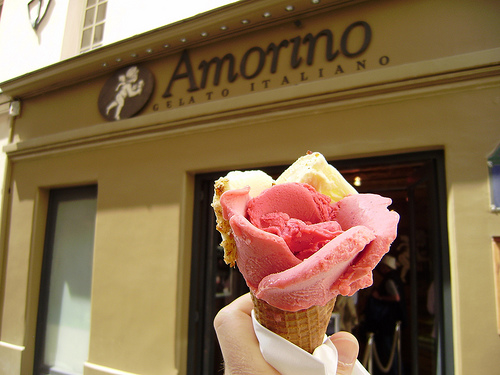
My guide persisted. See their faces, he pointed. The customers looked elated when they exited the shop, licking their plastic spoons and cones, and smiling at the heavens. Also, he added, they form the ice cream into flower petals atop the cone.

amorino

My curiosity justified the 30-minute wait.

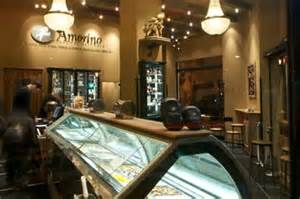
Inside the shop, images of Amorino’s signature cherub adorned the walls, the cups, the napkins. The smell of waffle cones wafted out the door with smitten patrons. Vats of colorful frozen waves with names like amaretto, stracciatella, and frutto del passione inspired awe and salivation from behind a glass barrier.

th

Screw the fruity sorbetto, I thought. Òu est le chocolat? Walid pointed to a creamy mocha option called “L’inimitable,” which seemed untranslatable. Nutella flavor, he clarified.

I understood the necessity of the glass partition. Little else prevented me from hurdling the goods and burying my face in a bin of this magical frozen discovery. But, why not just call it ‘Nutella’? It’s Italian, after all.

“Je voudrais l’inimitable!” I shouted.

The woman behind the counter wielding an ice cream spatula scolded me in French for leaping ahead of myself. Walid explained: choose a cone or cup, then choose a size, then pay up, then choose the flavors. Mere formalities, I assured him; I wanted my frozen Nutella.

amorino

Amorino allows up to three flavors per order, but why mix it up and risk disappointment when I could have a triple serving of l’inimitable?

I left the shop clutching a melting Amorino flower, which seemed too beautiful to eat for a moment, until it began to drip onto my fingers. Like the many customers ahead, I stopped outside to slurp up the sweetness. I was another elated cherub with an expression that encouraged the hungry queue to wait just a bit longer for their turn.

Walid was wrong––I didn’t need more sex, just another serving of l’inimitable. I suggested we return for dinner.

Leave a comment

Filed under Restaurant reviews

Montréal Redefines Jazz Music

DSC_0315

(Astrid Lium photos)


The 33rd annual Montreal International Jazz Festival kicked off its festivities north of the border on June 28 and continued through July 7. For 10 days and nights, music, stages and crowds dominated several cordoned-off blocks in the city’s downtown area. Throngs of festival goers filled sections of Sainte-Catherine Street and De Maisonneuve Boulevard, nibbled snacks from street vendors and enjoyed an array of indoor and outdoor performances of musicians from around the world.

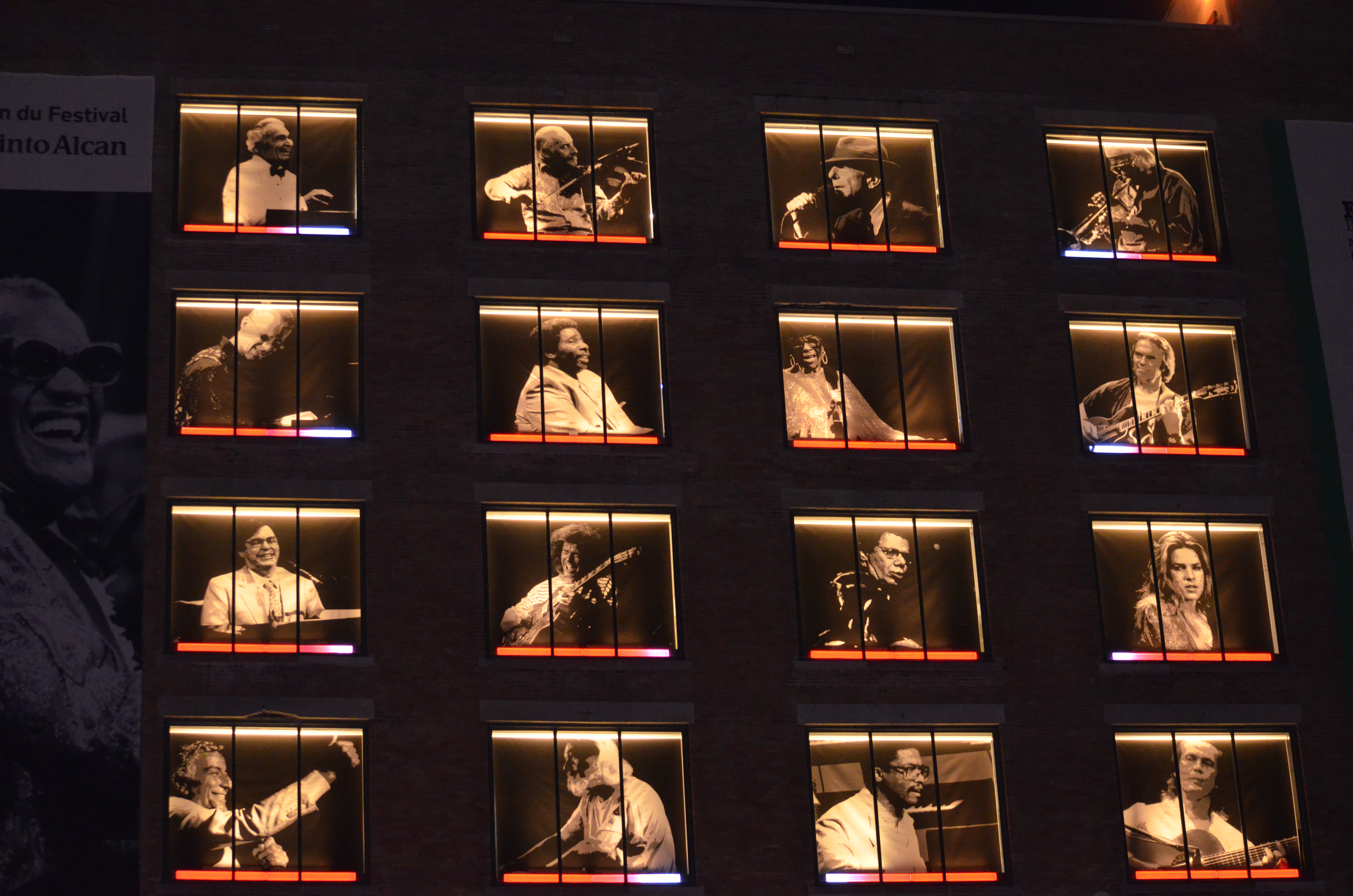
In 1980, the first Montreal International Jazz Festival featured Gary Burton, Chick Corea, Ray Charles and Vic Vogel, and attracted about 12,000 people. It now boasts some 3000 artists from about 30 different countries and more than 2 million attendees. Holding the 2004 Guinness World Record for largest jazz festival, the event has steadily grown in popularity and increasingly pushed the boundaries of jazz music.

Some of this year’s top names and sold-out performances included Ziggy Marley, James Taylor, Liza Minnelli, Norah Jones and Montreal’s own Rufus Wainwright. The free, outdoor venues boasted such performers as Italian crooner Patrizio, Japan’s funk group Osaka Monaurail, Boston-based Mr. Ho’s Orchestrotica –– a 23-piece ensemble that offers an eclectic mix of experimental music –– and a slew of others.

DSC_0285

Associated more with reggae, folk, pop and other genres besides jazz, such artists challenge traditional views of the musical concept. Since its humble beginning, the festival has introduced a growing number of musicians who crosscut various musical scenes. “Jazz” in Montreal has a multitude of names and faces.

André Ménard, the festival’s co-founder and artistic director, emphasizes the array of musical talent in an article featured in the festival program and schedule. He writes, “Once again, our musical menu unveils a kaleidoscopic diversity in a comprehensive program … Our programmers wore out their eyes, ears and shoe leather scouring the ends of the (musical) Earth.”

Patrons of the event have observed the expanding repertoire of performances over the years and how they fit into the “jazz” category. Julian Woods, a longtime resident of Montreal, has attended various shows at the festival for the past 15 years. He believes that the music featured, based on his definition of the genre, “goes way beyond ‘jazz’.”

Woods admits that his perspective may be stricter than that of others. He says, “When I think of jazz, I think of Dixieland jazz, blues, R&B, swing and traditionalists like Duke Ellington and Miles Davis.” He believes that the festival fits more of a “Wikipedia definition” of jazz, which, he says, includes Latin and African rhythms, among others.

Despite the name, says Woods, the week-and-a-half long festival transcends its tunes. “The Montreal Jazz Festival is about more than just the music,” he says. “It’s about the ambiance, the staging, the ancillary entertainment, the crowds.”

DSC_0310

Michel Bonin, a Vancouver-based pianist, entrepreneur and writer for Canada Journal, agrees that the festival offers more than music. He believes that it is as important economically as it is artistically to the Canadian city, attracting tourists from around the world.

“The jazz fest is really promoting Quebec and Montreal. It strengthens the French presence in Canada,” he says. “Besides music, it’s also about architecture, sustainability, city planning and business.”

As such, Bonin views the widening parameters of jazz as a shift toward inclusivity. He believes that the music has moved “beyond jazz.” “It used to be about ‘real jazz’,” he says, “strictly jazz.”

Now, the writer and musician believes that the event is expanding the genre itself and “making it more approachable to those who don’t know it as well.”

DSC_0295

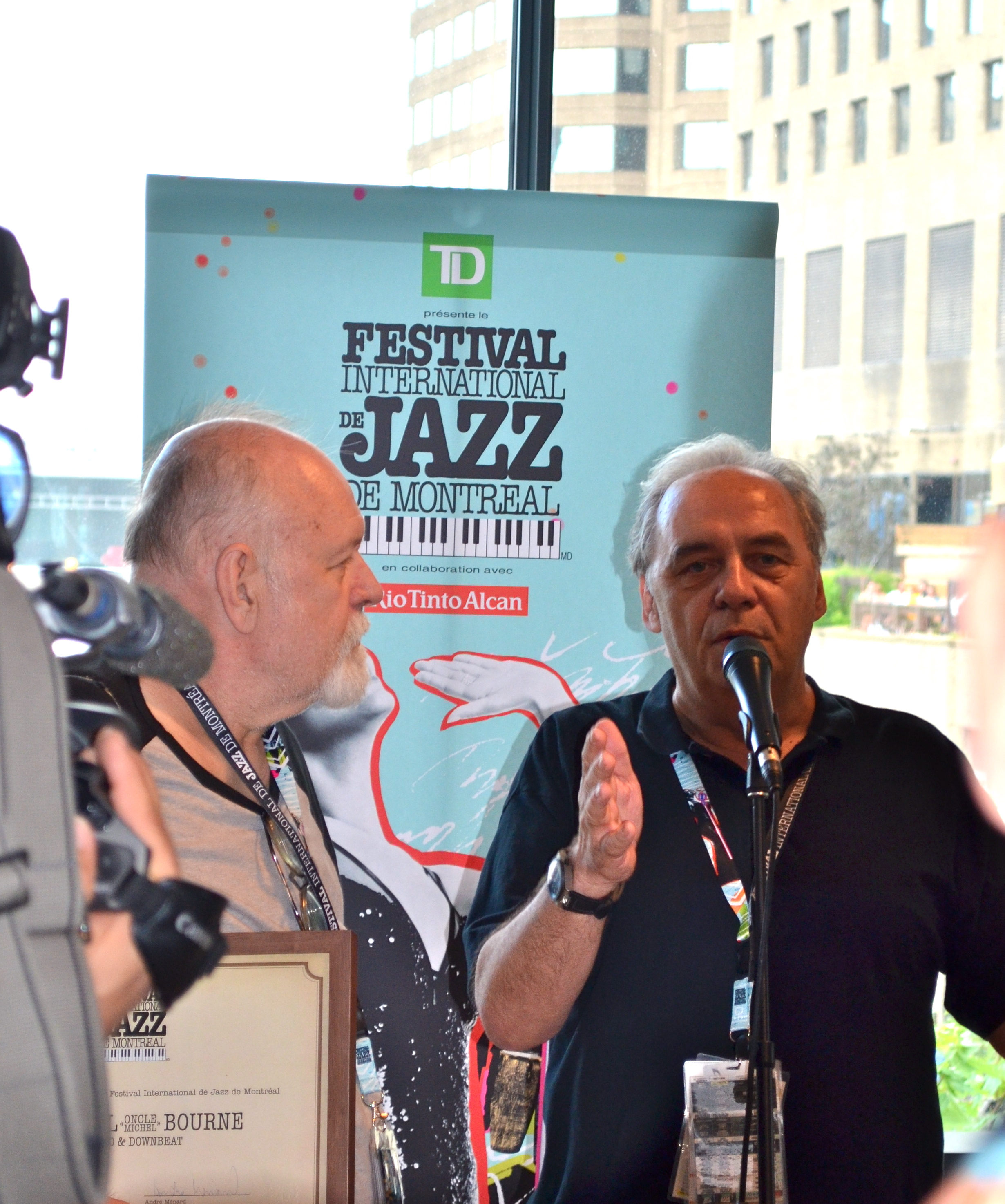
(Media honor bestowed upon veteran journalist Michael Bourne, left.)

Media veteran Michael Bourne focuses more on the musical aspect of the festival. The New York City-based music reviewer has attended the event religiously for the past 20 years. He views jazz as a continuum that evades an immobile, concrete definition.

Bourne uses the city as an adjective –– describing the festival and its combination of musical performances as “very Montreal” –– to underscore the uniqueness of the experience.

“This festival redefines jazz, but jazz also redefines itself,” he says. “Every generation thinks the new one isn’t ‘real jazz’, but it’s all jazz.”


(This article originally appeared in The Bay State Banner in July 2012.)

Leave a comment

Filed under Newspaper

Porter Café Adds Irish Flair to Centre Street

A modern Irish pub in West Roxbury offers craft beers, hearty food and a lively atmosphere.

 (All photos provided by Astrid Lium.)

Overview: , which , is the newest addition to Centre Street’s restaurant scene in West Roxbury. Located on the same block as and across the street from , Porter rounds out the area with a modern Irish pub option. Co-owners and Ireland natives, Paul Murphy and Dermot Loftus, have worked at various establishments around Brookline and Dublin, taking their expertise and experience to West Roxbury.

Atmosphere: Long and narrow, the pub utilizes its small dining space with a few tables and a lengthy bar. Red walls, warm lighting, high ceilings and virtually no artwork give the place a cozy, down-to-earth vibe. Wide mirrors reflect the light and walls, making the interior feel more spacious. The background music is low and folksy, but the chatter can reach almost intrusive decibels when the restaurant is packed with patrons. The size, ambience and exterior facade somewhat resemble Matt Murphy’s in Brookline, which may be explained by the owners’ previous experience there.

Image

Drinks: Long on beer and wine options, Porter is really a bar with sit-down food service. By the glass ($7-$9) or bottle ($28-$45), wine options include sparkling, white, rosé, and red. The pub is best known for its beer (about 75 to choose from), which is categorized as draft ($5-$6), can ($4-$6), large format ($7-$19), fruit ($5-$8), or bottle ($3.50-$8). From local lagers and California pale ales to Irish cider and fruity Canadian brews, Porter runs the gamut. And, yes, there is Guinness.

Appetizers: The food menu takes up less space than the beer list. Porter keeps its options simple yet somewhat diverse in nature. Starters include mussels steamed in coconut curry sauce (served with crusty bread, $11), simple mixed greens (with goat cheese and lemon caraway dressing, $7), and grilled fish tacos (two of them, served with salsa and cilantro lime cream, $8).

Image

Entrées: The meaty establishment offers one vegetarian-friendly main dish: roasted butternut squash risotto ($16), which is warm and filling. The others are all more carnivorous in nature: braised pork shank (fall vegetables, crushed Yukon potatoes, red wine reduction, $$19), roasted cod (buttered leeks, cauliflour, $18), and steak frites (maitre d’butter, cress salad, $18).

Image

Desserts: What Porter lacks in liquor and sweets it makes up for in craft beers and hearty bar food. The filling dishes wouldn’t leave much room for dessert, anyway.

Image

Service: Just like the restaurant itself, Porter Café’s service is straight-forward and no-nonsense. The waitress was accommodating when asked something, but granted enough privacy to enjoy a meal in as much peace and quiet as can be expected in a small, crowded pub. Competent yet not overbearing, the overall service was fine and reflective of Porter Café’s laid back nature.

Contact: 1723 Centre St., West Roxbury
617-942-2579
http://www.portercafe.com

Hours: Open nightly for dinner:
Tuesday-Saturday, 4-11 p.m.
Sunday-Monday, 4-10 p.m.
Bar is open until 1 a.m.

Owners: Paul Murphy and Dermot Loftus

Chef: Jimmy Whelen

Price: $$

(This article was originally published by West Roxbury Patch, http://westroxbury.patch.com/groups/business-news/p/porter-caf-adds-irish-flair-to-centre-street, on January 25, 2012.)

Leave a comment

Filed under Boston/Cambridge events, Restaurant reviews

Divas Uncorked on Wine, Women, and Friendship

(The ladies of Divas Uncorked: Carole Alkins, Stephanie Browne, Gert Cowan, Barbara Cruz, Carolyn Golden Hebsgaard, Katherine Kennedy, Karen Holmes Ward, Paula Wright. ~ Photo courtesy of Divas Uncorked.)

Like many women, Carolyn Hebsgaard and Karen Holmes Ward enjoyed drinking wine socially, although they admit that they knew little about it. When ordering at a restaurant, their wine specifications rarely extended beyond “red” and “white.”

That changed in 1999, when Hebsgaard, Ward and 10 of their girlfriends decided to educate themselves, and other women, about the history of wine and the art of drinking it. What started as casual gatherings over snacks and Chardonnay expanded into the tour de force known as Divas Uncorked.

For nearly 13 years, the Divas have transformed the fun pastime of sipping wine with friends into a successful side business, international phenomenon and lifelong adventure. “It’s like a hobby run amok,” Hebsgaard chuckles.

Today, eight of the original 12 core members of Divas Uncorked remain committed to the organization and to each other. More than social wine drinkers and business associates, the ladies have become entrepreneurs, experts and the best of friends. “When I have a get together, the first people on my list are the Divas,” says Hebsgaard, a consultant and executive director for the Boston Lawyers Group. “We will always have the Divas in some form, regardless of the business.”

The idea for Divas Uncorked stemmed from dinner outings at Marché, a former restaurant in Boston’s Back Bay area. While working together with The National Coalition of 100 Black Women (NCBW), a nonprofit organization, Hebsgaard and Ward joined four other members after meetings for food, wine and conversation. After visiting the restaurant’s wine cellar, the women realized how little they knew about what they were drinking.

Stephanie Browne, an Information Technology expert and another co-founder of Divas Uncorked, insisted that the group learn more about wine on their own. She offered to host the first dinner party, which she modeled on her mother’s bridge club parties. The six women each invited a friend — totaling 12 professional, self-proclaimed A-type divas, now in their 50s and 60s — forming the core group of the organization. Kicking off the festivities at 2 p.m., the ladies ate, drank and merrily studied the history of wine until midnight.

“The beginning of Divas Uncorked happened innocently,” says Ward, a television host and producer at WCBV-TV. “We just wanted to learn about wine in a fun and relaxed way. Like a ‘spoonful of sugar,’ studying wine is easier with friends.”

The relatively simple fêtes morphed into themed, five-course dinners replete with gift exchanges, guest lecturers and hours of laughter. Friends of the Divas heard about their wine parties and envied the regular celebrations.

Shortly thereafter, they started planning public wine dinners with local experts, including Alicia Towns, wine director at Grill 23, and Jody Adams, chef/owner of Rialto, who appeared on the reality television program “Top Chef.” The dinners grew into larger conferences, attracting a turnout of more than 100 women per gathering.

The get-togethers underscored the importance of friendship while bonding over wine education. The Divas aim to teach women about wine in a fun, relaxed fashion while boosting self-confidence when making wine choices. Having learned the nuances of their own wine preferences while strengthening friendships, the founders of Divas Uncorked want to encourage and teach other women to do the same.

Ward can now describe to sommeliers what she wants to order or pair with appropriate dishes. “I can’t necessarily say that I want a bottle of 1978 such-and-such,” she says. “But I can now attach adjectives to my description and articulate specific preferences.” From her education with Divas Uncorked, Ward has learned that the oaky, vanilla flavors which appeal to her fit the profile of a Chardonnay. Conversely, the grassy, citrus flavors that she avoids are characteristic of a Sauvignon Blanc.

According to the Divas, women are largely neglected by the male-dominated industry and receive less attention from salespeople at wine shops and liquor stores. Ward explains that men and women shop differently for wine. While men tend to spend more money, often to impress a woman, women generally seek value or follow a recommendation. “The wine industry certainly wasn’t responsive to women or people of color,” Hebsgaard says. “So, like divas, we took it on ourselves!”

Since their inception, Divas Uncorked have caught the media’s attention, appearing in O Magazine, Edible Boston and Reuters, as well as a stint on NBC’s “Today Show.” Also, in their free time, the ladies, all of whom have full-time professions outside of Divas Uncorked, represent at food and wine festivals, including South Beach and Martha’s Vineyard; manage their own website (www.divasuncorked.com); sell their own wine, Divas Uncorked Chardonnay, which is produced by the Mendocino Wine Company; and organize wine tasting cruises called Divas at Sea.

Their progress has been conspicuous, although not always easy. Hebsgaard explains that gaining financial support and securing sponsorship for their cause has been challenging. “I still consider us a startup,” she says. “It’s really hard out there for women, especially women of color, to run a successful business.”


The obstacles have not deterred the Divas, who plan to continue growing, both personally and professionally. “The more we learn about wine, the more we want to share,” says Hebsgaard. “The best way to do that is to create audiences with groups of women. Just when we thought ‘this is good enough,’ something else would come up.”

The next thing up for the Divas is their second annual cruise in September, when they will sail around the Mediterranean Sea for 11 days. As advertised on their site, the “wine savvy, not wine snobby” ladies invite interested parties to join them and a sommelier on board to learn about wine and visit Italy, Turkey and the Greek Islands.

Although the Divas pride themselves on “first-class, five-star service” for their events, they also stress the importance of humility in their organization. Ward claims that their goal is to demystify the process of ordering and learning about wine, as well as removing the “Frasier Crane, snooty approach.”

The future of Divas Uncorked has not been determined, but the cohesion of the core group of friends is stronger than ever. “The thing I know for certain is that we’ll be together for the rest of our lives,” Hebsgaard says. “We will always have the thing we started with: wine, food, friendship.”

(This article originally appeared in the January 2012 issue of Exhale magazine.)

Leave a comment

Filed under Magazine

Homeland Security…at the Cost of Personal Liberty?

I used to love to travel. Flying never scared me. I vaguely recall the good old days when airport fears included lost passports, arrival at the wrong terminal, and running out of fuel over the Atlantic Ocean.

Since that infamous day–September 11, 2001–air travel, and the fears associated with it, have radically changed.

A new breed of concerns and escalated suspicions have emerged. I make flight plans more carefully these days, avoiding air travel if at all possible.

My shifted focus is neither on terrorism nor undetected box cutters, though. It is on the security forces created to protect travelers from such perceived threats; namely, the Transportation Security Administration (TSA).

The TSA is a branch of the United States Department of Homeland Security, created in 2002. The administration of former president George W. Bush spearheaded the department in response to the 9/11 attacks.

The federal government claims that the TSA’s objective is to promote increased security of American citizens, particularly against potential acts terrorism and aircraft hijacking.

On paper, this reads like a reasonable step in safe air travel.

However, in practice, that security has been imposed, under the guise of benevolent protection from evil foreigners determined to destroy the American way of life, in exchange for personal privacy and civil liberties.

Since its incipience, the TSA has:

• Reserved the right to open and search any passenger’s luggage, in the name of security screening. Such invasive procedures often involve breaking, cutting open or destroying locks; displacement and occasional theft of personal belongings; perusal of all packed items.

• Imposed strict sanctions of carry-on luggage, most notably containers containing more than 3.4 ounces of liquid or gel. Passengers at security checkpoints are regularly stripped of shampoo and conditioner, body lotion, cosmetics, perfume, beer, wine and other alcohol, peanut butter, drinking water and scores of other mundane fluids which used to be integral to any carry-on luggage.

• Enforced the pre-screening removal of belts, jewelry, and since the ‘shoe bomber’ incident in December 2001, footwear.

• Added new screening procedures November 2010, in response to the ‘underwear bomber’ who smuggled plastic explosives onto an airplane in Amsterdam in December 2009. The enhanced screening subjects passengers either to backscatter X-rays and millimeter wave scans, or full-body pat-downs. The former displays nude images of passengers’ bodies to TSA officers. The latter allows agents to touch all body parts of clothed passengers.

According to Barry Steinhardt of the American Civil Liberties Union (ACLU), “We’re getting closer and closer to a required strip-search to board an airplane.”

The ACLU, a national non-profit organization which promotes the Constitutional rights of Americans, received over 900 passenger complaints about the TSA enhanced screening within the first month of mandatory pat-downs.

One of the most high-profile cases is that of Susie Castillo, crowned Miss USA in 2003. Castillo was traveling from Rio de Janeiro to Los Angeles, in April 2011. While changing planes in Dallas, Texas, Castillo objected to the electronic scanner and underwent the required pat-down.

In a self-made iPhone video, now posted on YouTube, Castillo tearfully describes her experience immediately after the pat-down. “[The TSA screener] actually felt, touched my vagina,” she says. “They’re making me choose to either be molested, because that’s what I feel like, or go through this machine that’s completely unhealthy and dangerous.”

In response, the TSA claimed that agents were simply doing their jobs. “We have reviewed this passenger’s screening experience and found that the officer followed proper procedures,” TSA spokeswoman Kristin Lee said.

Lee may be right. Individual TSA agents, for the most part, are obeying orders and following security protocol. The problem therein lies with the federal government imposing these measures. If employees accept such orders as business as usual, then the burden of defending personal rights and the Fourth Amendment of the U.S. Constitution lies with the people who are demanded by their government to relinquish privacy and comfort.

Acquiescence comes in the form of payment, as well as action. For the fiscal year of 2011, the TSA has a budget of over $8 billion USD. The government is using tax dollars–and a lot of them–to pay agents to invade the privacy of tax payers.

However, a backlash movement is growing more powerful with increased malcontent among travelers. In May 2011 a bill was unanimously passed in the Texas senate that challenges enhanced security measures enforced by Homeland Security.
The bill prohibits “anyone conducting searches to touch the anus, sexual organ, buttocks, or breast of another person” including through clothing [. . .] and searches “that would be offensive to a reasonable person.”

In turn, the Department of Justice notified Texas legislators that the anti-groping bill violates federal law and “could cause the Transportation Security Administration to cancel any flight or series of flights for which it could not ensure the safety of passengers and crew.”

The concern for protection against terrorism is understandable. However, Homeland Security is busy insisting on experimental body scans and invasive groping of anyone from small children and their teddy bears to rape victims to the elderly and disabled. Meanwhile, potential terrorists may find newer, more high tech ways to slip by undetected.

And I don’t feel any more protected than I did before; just more violated as my rights as an American are stripped, even if my clothing is not…yet.

The TSA may claim to be protecting passengers from terrorists, bombs, hijacking, more than three ounces of shampoo and other such threats to Homeland Security.

But, who is going to protect us from the TSA?

(This article originally appeared in the June 27, 2011 issue of The Politico magazine: http://the-politico.com/international/astrid-lium/homeland-security-at-the-cost-of-personal-liberty/)

Leave a comment

Filed under Politico column

Poppin’ Tags in Boston: Think Globally, Thrift Locally

Poppin’ tags: v., Popping off tags of higher-priced merchandise and switching for clearance or lower-priced tags; shopping for goods (especially clothing) in abundance.

Thrifting: v., The act of shopping at a thrift store, flea market, garage sale, consignment shop or other charitable organization.

Poppin’ Tags in Boston: Think Globally, Thrift Locally from Astrid Lium on Vimeo.

Even if footy pajamas or broken keyboards don’t make their shopping lists, consumers can unearth stylish goods with only 20 dollars in their pocket. In a slumping economy, frugality has made a comeback. With influences like Macklemore––whose single “Thrift Shop” has gone viral and topped Billboard charts––shoppers, particularly youth, boast a cachet of cool while “poppin’ tags” on a shoestring budget.

For decades secondhand goods have generated a cult following, an alternative market for lower incomes, and a source of unique finds for fringe fashion, costumes and theme parties. More recently, the list has expanded to include diverse appeal, reflected in an increase in resale donations, consignment shops and a growing online presence.

Compounded by a pop culture endorsement and an accompanying lexicon of slang terms, “thrifting” has hit the mainstream. As the economy limps toward recovery, discussions about carbon footprints abound, and “green” trends gain momentum, the used goods industry expands its niche.

Macklemore

According to NARTS, The Association of Retail Professionals, the resale industry in the United States currently generates approximately $13 billion per year. A member of the association, Goodwill Industries, accounted for about $3.53 billion of retail sale revenue in 2012. Established in 1902, Goodwill Industries now operates more than 2700 stores and continues to grow.

Buffalo Exchange, a secondhand chain known for funky clothing and accessories, started with a 450 sq. ft. shop in 1974. Since then, the company has expanded to 43 locations in 15 states, including two stores in Boston and Cambridge. Buffalo Exchange claims that its clothing is “by the community, for the community” with the majority of goods sold locally.

Using statistics from the consumer research firm, America’s Research Group, NARTS reports that 16-18 percent of Americans shop at thrift stores annually, and 12-15 percent patronize consignment shops. In comparison, about 11 percent prefer factory outlet malls, 19 percent opt for apparel stores, and 21 percent shop at major department stores.
DSC_1833

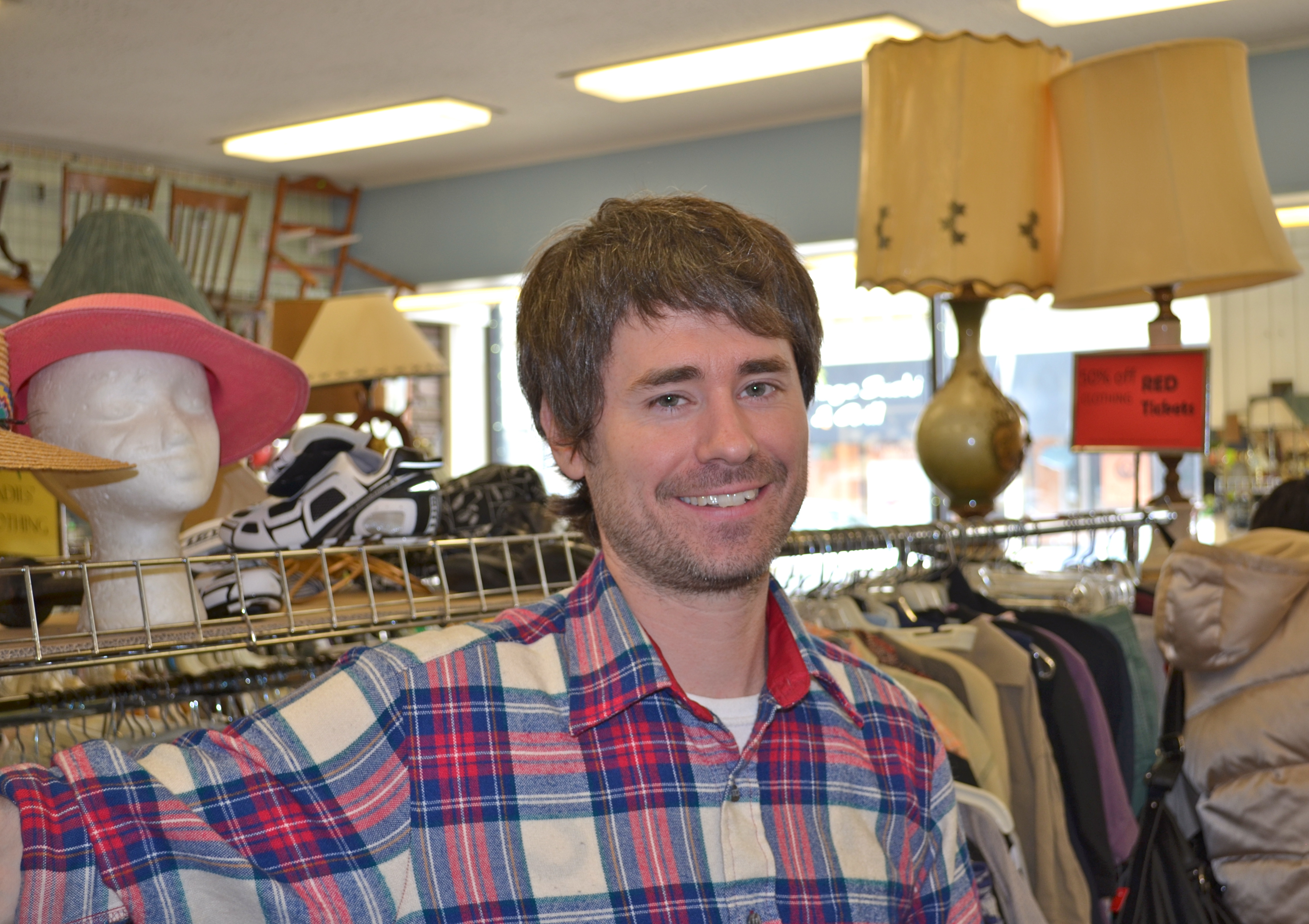
“It’s a sign of the times,” says Dasan Harrington, a regular thrift store shopper and donator.

He and his wife, Zoraida, both 38, frequent secondhand shops around Boston for bargains. The couple live in Dorchester with their two children, and venture to Boomerangs thrift store in West Roxbury a few times per month. While he peruses the store’s eclectic CD collection, she searches for rain gear.

“I look at everything,” Mr. Harrington says. “You can find good stuff that’s unique.”

Sometimes they leave empty-handed, he admits, but on this particular visit the duo found nearly matching trench coats. Other patrons thumb through paperbacks, test the buoyancy of sofa cushions, and cinch belts around gently worn slacks and dresses.

DSC_1846

Owned and operated by the non-profit organization AIDS Action Committee of Massachusetts (AAC), Boomerangs thrift stores invest their proceeds to the committee’s work. Founded in 1983, the AAC aims to educate, help prevent the spread of HIV/AIDS, and provide support for those affected by the virus.

Boomerangs’s Director of Community Outreach Liz Donovan asks a cash-paying customer, “Do you mind if I give you a lot of random change?”

Her question reflects the Boomerangs shopping experience: a montage of different donations, styles, volunteers, and customers. The store attracts disparate groups of people and products to form a diverse community.

“People are bumping into each other here who wouldn’t elsewhere,” she says. “They speak different languages and run in different circles, but talk to each other when they’re shopping. Rich people antiquating mix with poorer people on a budget who need the discounted items.”

DSC_1834

Donovan, whose own wardrobe is comprised of Boomerangs items, has seen the company expand to four locations: West Roxbury, Jamaica Plain, The South End, and Central Square in Cambridge. She attributes the steady growth to a variety of affordable goods, well-organized merchandise, a welcoming atmosphere, and a loyal base of donators, patrons and volunteers. Also, in the last few months, social media and the the song “Thrift Shop” have boosted interest in the store.

“People play the song on their phones while they’re shopping here,” Donovan says. “Students come in at 9 o’clock on a Saturday morning and Tweet things like ‘Poppin’ tags @ Boomerangs’. It’s fun and has been a boon to business, prompting conversation.”

She views thrifting and  recycling clothing, accessories, furniture and home goods as a step in the right direction. As shoppers embellish items––by altering, painting or sewing them––they make them more their own and, according to Donovan, participate more in their own lives.

DSC_1820

The charitable, local and musical elements of thrifting have boosted sales for The Thrift Shop in Roslindale, as well, according to store manager Chris Roth.

Relying on local donations, the store’s sales benefit The Home For Little Wanderers (or The Home), a Boston-based non-profit organization. Established in 1926, the organization provides services––including counseling, foster care, life skills training and mentoring––for Boston youth and families. Originally based in Jamaica Plain, the shop moved to Roslindale, a more affordable neighborhood, 12 years ago.

“Roslindale Square has changed,” Roth says. “To get well established in an area takes time, and we have grown with the community.”

DSC_1811

With two full-time employees, three part-time workers, and ten dedicated volunteers, the store has maintained a loyal following while generating more money for its cause. Since the 2008 downturn in the economy, Roth noticed more furniture donations. Despite financial struggles, his year the sales reached a record high of $125,000 for The Home.

Roth believes that people are more open to shopping at thrift stores. While some view it as a hobby, other for others approach thrifting as a way to pay it forward. “Some people buy in bulk, but I feel like they’re often doing it for others,” he says. “Some guy bought a dozen dresses, probably for a women’s shelter.”

As for Macklemore’s hit song, Roth noticed that teenagers have stopped by the store with greater frequency in the last year. “Kids have started ironically coming in with more curiosity and interest.” he says.

DSC_1794

Kristina Nederosleva, co-owner of Deja Vu in Newton, has transformed her consignment hobby into a full-time business. She moved to Boston for graduate school in 2009 and wanted to generate income while studying.

“I figured there had to be a way to make money, short of selling myself on the street,” she says with a shrug and a giggle.

What started as a quick way to make cash for a weekend getaway––with a bag of clothing, a trip to Buffalo Exchange, and $70 in her pocket––quickly grew into Simple Exchanges, a consignment business operated from her one-bedroom apartment in Cambridge. Nederosleva wanted to provide a service and simplify the process between buyer and seller by removing unnecessary steps and splitting the profit with her donators.

While running Simple Exchanges, Nederosleva researched the details of the industry, and worked part-time at the consignment shop Second Time Around. She moved to Deja Vu in September 2012, where she worked part time until buying into the store in February, which she now co-owns with Oksana Pan. Carrying a array of brands from Ann Taylor and Oilily to Kate Spade and Gucci, Deja Vu attracts an diverse demographic of shoppers.

“Everybody likes to shop and customers get upset if they can’t find something,” she says. “We see such a wide range of age, income and personality. Someone might carry a Chanel wallet, but she’ll come in and buy a $10 one here.”
DSC_1798

Nederosleva attributes the initial growth to a slipping economy, and longstanding success to perennial elements like personal service, local charm and unique finds. She believes that fads or popular songs have less long-term influence on the popularity of her shop or the industry in general.

She has noticed rapid growth for both Deja Vu and the local consignment business in general, noting that 10 to 12 secondhand store have opened around Boston within the last couple of years. “They’re all still here,” Nederosleva says. “This [business] isn’t going to die out.”

Leave a comment

Filed under Boston/Cambridge events, Uncategorized

Charles Sumner Bicentennial

local16a.jpg
Charles Sumner is pictured here with Henry Wadsworth Longfellow, a famous poet, Harvard professor and Sumner’s best friend. (Photos courtesy of Longfellow House-Washington’s Headquarters National Historic Site)


local16b.jpg
Charles Sumner, a Harvard-educated abolitionist and statesman, has been honored in a number of bicentennial celebrations this year.

Few people may realize that the statue seated on the traffic island on Massachusetts Avenue in Harvard Square is a replica of Charles Sumner. Even fewer may know who Sumner was or appreciate his contributions to the abolition of slavery.

Two hundred years after his birth, the Charles Sumner Bicentennial Committee is attempting to revive Sumner’s historical celebrity by promoting his work and educating the public about his civil rights activism.

Since Jan. 6, Sumner’s actual birthday, the committee has held various events to celebrate the life and historical significance of the Harvard-educated abolitionist and Massachusetts statesman. The most recent gathering was the forum held last month at the First Parish Universalist Unitarian Church in Harvard Square.

Spearheaded by the National Park Service, the Bicentennial Committee is comprised of the Boston African American National Historic Site, Cambridge Forum, Friends of the Longfellow House, Friends of Mount Auburn Cemetery, Harvard University, Longfellow National Historic Site, Massachusetts Historical Society and the Museum of African American History.

A week before the forum, dozens of supporters gathered in front of the church in the rain for the preliminary dedication to Sumner. Several students from the Haggerty School recited the poem “Charles Sumner,” by Henry Wadsworth Longfellow, the famous poet, Harvard professor and Sumner’s best friend.

Nancy Jones, a park ranger from the Longfellow House-Washington’s Headquarters National Historic Site, in Cambridge, led a ceremony rededicating the Sumner statue, and placed a bouquet of flowers next to the seated figure.

The statue in Harvard Square was designed by Anne Whitney in 1875, but was not installed until the 20th century.

The Boston Art Committee held a national competition for the design of the Charles Sumner memorial statue. All entries were made anonymously and the committee did not realize that a woman sculpted the figure.

When the committee discovered Whitney’s identity, it denied her the award, claiming that “a woman could not properly model a man’s legs.” The prize then went to Thomas Ball, whose statue of Sumner is located in Boston’s Public Garden.

Whitney resumed her project 25 years later and produced a full-size bronze cast statue, which was eventually installed in its current Harvard Square location in 1902.

After the dedication, the crowd poured into the church to hear the panel’s presentation. Three speakers shared biographical information, anecdotes and opinions about Sumner and the political issues dominating the political and social climate of his time.

During the second half of the forum, audience members asked questions about Sumner and his contemporaries.

John Stauffer, Harvard professor of African American studies and Chair of the History of American Civilization, moderated the discussion. The other two panelists included Daniel Coquilette, a Harvard Law School visiting professor, and Beverly Morgan-Welch, executive director of the Museum of African American History in Boston and Nantucket.

The three shared detailed information about Sumner, who was born in Boston and grew up in a multiracial neighborhood in Beacon Hill. Sumner’s father, Charles Pinckney Sumner, was the sheriff of Suffolk County and an ardent anti-slavery activist.

“This is one of the greatest men in U.S. history,” said Coquillette. “Why is he not regarded as such like Lincoln?”

Answering his own question, Coquillette claims that race relations over the years have continued to keep Sumner a divided figure. “Even after nearly two centuries, Sumner is still constantly under attack and his causes are, as well,” he said.

“The Civil War was not about states’ rights,” Coquillette continued. “It was about slavery. And if anyone wants to take me on about this, I am ready.”

The half-joking statement invoked chuckles from the pews. However, no one challenged his claim.

Coquillette went on to describe the notoriously violent altercation between Sumner and South Carolina congressman Preston Brooks. Sumner had made outspoken and insulting remarks about Brooks’ cousin, Sen. Andrew Butler, and his proverbial “mistress,” slavery. In 1856, Brooks severely beat Sumner with his cane on the floor of the United States Senate.

Sumner took three years to recover from his injuries and returned to the senate in 1859. Despite the setback, he resumed his efforts in the anti-slavery movement, garnering the reputation as a rude, outspoken, shrill extremist with radical views on civil liberties.

“The division of North and South was evident that day in the senate,” said Coquillette. “Preston Brooks never went to jail for his violence … he was a coward through and through.”

When asked about the influence of Sumner’s upbringing on the rest of his life, Morgan-Welch underscored the connection between the two.

“Growing up in that integrated community really formed him,” she said. “Blacks in Beacon Hill knew whites of great prominence and helped put them in those very positions of power.”

Coquillette added, “[Sumner] was true to his upbringing and neighborhood. He had exposure to high society, traveled around Europe and spoke many languages, but he never forgot his roots.”

An audience member reiterated the issue of Sumner’s obscure reputation, asking why the public isn’t as familiar with him as with other historical figures.

Coquillette replied, “Charles Sumner is not a household name because what the argument was then continues today. We haven’t confronted it yet. His greatness is tied up in the problems we face today as a divided nation.”

Morgan-Welch agreed, likening the North and South during The Civil War to modern day “blue” and “red” states. “There are still many people who argue how brash and rude the abolitionists were, as though slavery were a good idea. There is still a lot of debate about it.”

Stauffer summed up the discussion by adding, “The respect afforded [Sumner] in Congress contradicts the image of a shrill, unbending, difficult person. He was demonized by many historians, particularly in the South, and is still a controversial figure.”


(This article originally appeared in the June 2, 2011 issue of The Bay State Banner.)

Leave a comment

Filed under Boston/Cambridge events, Newspaper

Simmons Leadership Conference 2013

Image

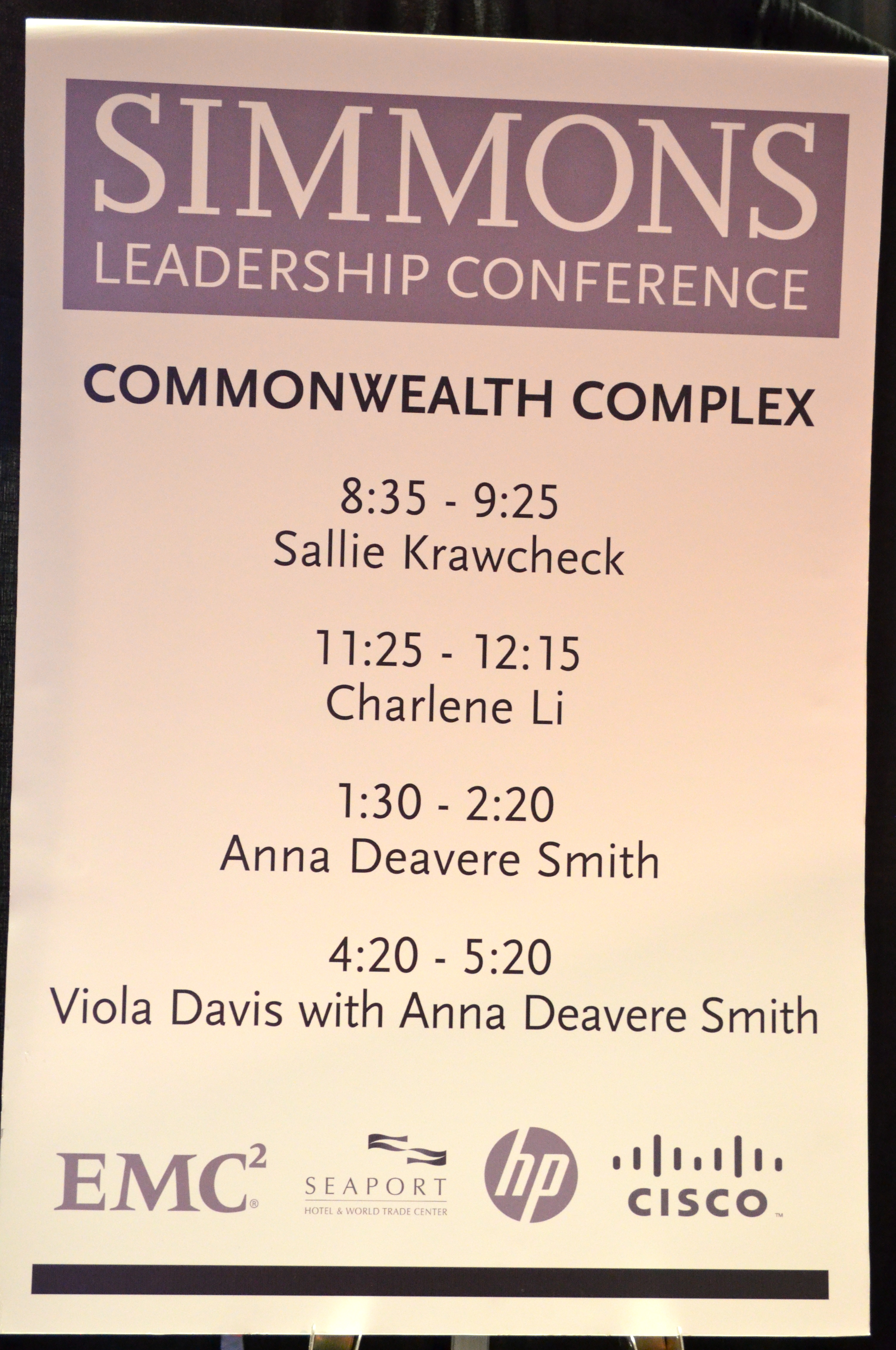
(Conference schedule. Astrid Lium photos.)

The Simmons Leadership Conference attracted more than 3000 professional women to the Seaport World Trade Center on April 2. Known as the “world’s premier professional conference for women,” the 34th annual gathering marked its 2013 anniversary with a Women of Influence theme.

This year’s panel included an array of speakers from various backgrounds, including:

Greeting the crowd at 8am was master of ceremonies Joyce Kulhawik, long-time broadcaster in Boston and Simmons College alumna.

Following her warm welcome, opening keynote speaker Sallie Krawcheck provided “Leadership Lessons for Women in Business.” The Wall Street executive offered an inside view of the obstacles and opportunities influential women in finance and business face.

DSC_1547

(Leadership Conference luncheon held at the Seaport World Trade Center on April 2.)

The morning and afternoon presentations included a mix of topics and backgrounds. The speakers––including marketing expert Kelly McDonald, Simmons professor and business consultant Stacy Blake-Beard, PhD, and co-authors Lois Frankel, PhD and Carol Frohlinger, JD––displayed their influence in the business world with inspiration, insight, and humor, touching on a number of issues:

  • personal finance
  • communication
  • crisis management
  • multicultural marketing
  • mentoring
  • negotiating

Attendees had the opportunity to meet the presenters during a book signing break, followed by the morning keynote speaker Charlene Li. Author of the bestsellers “Groundswell” and “Open Leadership,” Li is a social media expert and a board member of the Harvard Alumni Association.

Li discussed the importance of social technologies in the rapidly changing world of modern business. She underscored the point throughout her talk that “social media is about relationships, not technology.”

DSC_1538

Li broke divided her talk into three parts:

  • Strategy
  • Organization
  • Preparation

In regard to strategy, she claims that most businesses fail when they lack clear business goals. “Strategy is what you decide to do and not to do,” she said.

In turn, Li set forth six phases of social business maturity.

  1. Planning: develop relationships with your audience, clients, followers. Monitor what people are doing and listen to their feedback. (Example: The American Red Cross monitors social channels during disasters and relief efforts.)
  2. Presence: Stake a claim, take a leap, and engage with others. (Example: Shell tracks its reputation impact on a daily basis.)
  3. Engagement: Dialogue deepens relationships, so it’s best for companies to develop rules for engagement. (Example: Intel’s social media guidelines.)
  4. Formalize: Organize for scale.
  5. Strategy: Become a social business and connect the dots. (Example: Sephora integrates social and digital elements into their community as well as in their stores.)
  6. Transformation: Business is social, and women are particularly social beings.

DSC_1545

(Keynote speaker Charlene Li discusses social media in business.)


In regard to organization, Li referred to seven success factors, of which she offered two: planning details and having an initiative road map. She underscored the importance of filtering information. “We have to be parsimonious about what we focus on,” she said. “Choose carefully and let others pass.”

For her third part, Li outlined five ways in which companies can prepare:

  1. Align executives with clear business goals. Translate your social media to their world; don’t force them to understand your social media.
  2. Ask the right questions about value, not return on investment (ROI). (“How many of you calculated the ROI of your time spend at this conference today?” Li asked in jest.)
  3. Create a culture of sharing and build relationships that way.
  4. Master the art of failure. Google’s mantra is “fail fast, fail smart.”
  5. Determine your personal social strategy. Leverage connections and use your networks.

During the Q&A session, the first question came via Twitter. An audience member asked, “How do you deal with online rage?”

Li’s response: “Never feed the trolls. When trolls have no audience, they move on.”

Her final point was social media ubiquity. “I want social media right here all the time,” she said. “It’s so easy to better know people through social media.”


1 Comment

Filed under Boston/Cambridge events, Uncategorized

Pipeline Fellowship Promotes Women Investors


(A. Lauren Abele, COO of Pipeline Fellowship, and on the right is Natalia Oberti Noguera, founder and CEO of Pipeline.)

Although women constitute a slight majority of the population, they are vastly underrepresented in the business world. The Pipeline Fellowship intends to change all of that.

With Natalia Oberti Noguera at the helm, the Pipeline Fellowship is expanding the business model and changing its dynamic. The hands-on organization focuses on for-profit business ventures with social impact led by women who pitch their startup ideas to a panel of female investors trained by mentors and business experts.

As clearly stated on its homepage, the organization’s mission is to train “women philanthropists to become angel investors through education, mentoring and practice. Fellows commit to invest in a woman-led, for-profit social venture in exchange for equity and a board seat at the end of the training. The Pipeline Fellowship aims to diversify the investor pool and connect women social entrepreneurs with investors who get them.”

Based in New York City, the Pipeline Fellowship has recently expanded into Boston, announcing its 10 fellows in November 2011. The group consists of professional women with varying backgrounds, ranging from education and journalism to law and real estate development. Likely to donate to nonprofit organizations, the fellows have the opportunity through the organization to maintain a focus on social change while investing in for-profit companies, primarily led by women.

“Women-led doesn’t mean women only,” Natalia, founder and CEO of the Pipeline Fellowship, says with a smile. “But I am a big fan of women only.” The 10 fellows each invest $5,000, which is combined and invested in one woman-based for-profit business with a social conscience. The winner is chosen among several applicants and is awarded $50,000 to use for developing her startup. During the six-month process, the fellows are guided by mentors — comprised of successful entrepreneurs and angel investors, both men and women — and taught the basics of choosing and investing in women-based businesses with potential.

At the Boston Pipeline Fellowship Pitch Summit on February 24, nine female entrepreneurs shared their business plans — ranging from home health care to beauty products — with the 10 fellows.

Siiri Morley, founding partner of Prosperity Candle, which creates at-home candle-making business opportunities for women in war torn and post-disaster countries, says that her company is “creating tchotchkes with a cause.” Morley opened her pitch with a quote from Secretary of State Hillary Clinton: “Investing in women isn’t only the right thing to do; it’s the smart thing to do.”

But providing a platform for women entrepreneurs fulfills only one part of the Pipeline Fellowship’s objective. Natalia primarily focuses on the investing side of business with her organization. Noting that there is no dearth of hybrid entrepreneurs, she underscores the need for more hybrid investors. Claiming that only 12 percent of venture capitalists are women, and a mere 5 percent are racial minorities, Natalia says, “we need to increase diversity in the angel investor sector,” which is what the Pipeline Fellowship is attempting to achieve with its program.

Her intent is to combine the business models — merging of the public and private sectors — and make women-based hybrids a more common alternative. Having heard how difficult the for-profit model is, she notes the binary nature of the traditional business world. “The options are either nonprofit or for-profit,” Natalia says. “But it can be both!”

Without seeking donations or grants, the Pipeline Fellowship aims to create and expand upon a self-sustaining system with a social mission. “We’re combining the business savvy of the corporate world with the heart of the nonprofit world,” says Natalia. “The world really needs more hybrids.”

Deeming herself a hybrid, as well, Natalia explains that she “is very comfortable with ambiguities.” Half-Italian and half-Colombian, the Yale graduate grew up speaking English, Spanish and Italian and later studied French and Russian in school. Her father worked for the United Nations, and the family moved around frequently, which helped Natalia develop her adaptability. With an international, multi-lingual upbringing, she transcends categorization with ease.

Natalia’s parting word of advice: learn a second language, if you haven’t done so already. “It really expands one’s mindset,” she says. “Knowing that there is more than one word for ‘glass’ is very powerful.”

(This article originally appeared in the spring 2012 issue of Exhale magazine.)

Leave a comment

Filed under Boston/Cambridge events, Magazine

Gimme some (maple) sugar!

Image

Silver and red maple trees in my back yard, awaiting a tap. (Astrid Lium photos)

I grew up in Vermont, the maple capital of the United States. The humble Green Mountain State‘s 5% of the world’s syrup of the gods beats out its 49 competitors for that sweet title. Québec has a stake on about three-quarters of the globes syrup supply, which is partly why I attended university in Montréal.

I was eleven years old before I tried a cheap fancy Grade A knockoff. While on a school trip in Rhode Island the class enjoyed pancakes and what resembled bona fide syrup. The mystery substance made me nauseous. I had seen Aunt Jemima on the shelf at White’s, but never had she made her way into our pantry. The only syrup I knew came from St. Johnsbury’s own Maple Grove Farms or from a Hardwick sugar shack (that town exports goods besides sophomoric “Hardwick jokes”).

I quickly returned to that sugary friend upon our return to Vermont.

Image

Three taps for two trees. They are available online and at most hardware stores for about $2 each.

When I moved to Massachusetts, known more for oysters and chowdah than syrup, I brought my dark amber with me. Then I met a man who tapped his own trees and made his own syrup (about one quart of it, anyway) every spring. I fell in love with him, even before I discovered this sugaring hobby of his.

2013 marks the fourth consecutive season that my Maine-iac maple man (“As Maine goes, so goes Vermont“?) and I have made sweet syrup, albeit in small doses. Keep in mind that the sap:syrup boiling ratio is about 40:1.

Image

Every sugaring experience may be somewhat different, but ours is simple, cheap (sorta), and easy. I just read a Yankee Magazine article about a Vermont sugaring family who uses reverse osmosis to reduce fuel, improve efficiency, and expedite the process. I’m jealous. I wish that I had reverse osmosis…or even knew exactly what is was.

To get started, this is what we needed:

  • 40-degree days and freezing nights
  • Maple trees (one silver, one red)
  • 5-gallon Ace Hardware bucket (brand optional; I receive no compensation from Ace for my plug.)
  • 3/8″ drill
  • Hammer
  • Taps
  • Extension cords connecting the drill to the nearest outlet

Image

Find a spot on the tree to drill, deep enough to fit a tap. On the red maple, we drilled two holes. (If a tree is 19-25 inches in diameter, two is recommended. You can find more on hobby sugaring.)

Image

Philosophize with a hammer…hard enough to secure the tap.

Image

On an early-March morning, with temps running in the low-40s, the sap should start flowing immediately. We always have better, faster results with the red maple.

Image

Voilà! The first part of the sugaring-in-our-back-yard-in-Boston process is complete.

More to come as the days grow longer, warmer, and sweeter…

Leave a comment

Filed under Boston/Cambridge events, Uncategorized